Understanding the Challenge
Imagine a bustling laboratory where scientists tirelessly work to unlock the mysteries of disease biomarkers. The pressure is palpable, and the stakes are sky-high—after all, accurate measurements dictate the pathway to effective treatments. Yet, research shows that up to 30% of diagnostic assays underperform due to outdated methodologies. This observation raises a critical question: how can labs ensure their approaches remain relevant in a fast-paced environment? Enter the hcp elisa kit, a game-changer designed to meet these urgent demands.
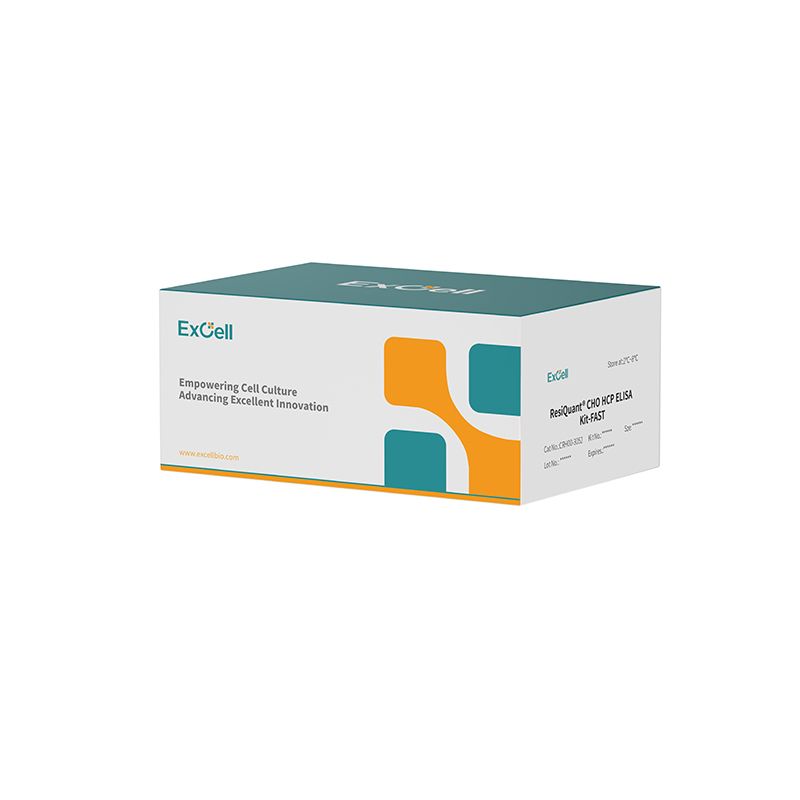
Conventional Solutions: The Cracks Begin to Show
The age of traditional assay kits is slowly fading—like an old photograph losing its vibrancy. I remember a time when I relied heavily on those older enzyme-linked immunosorbent assays (ELISA) that often left me guessing, uncertain of their reliability. It’s frustrating, isn’t it? These conventional kits frequently fall short in sensitivity and specificity, leading to ambiguous results. Their limitations can delay critical findings and lead to misdiagnoses, putting patient outcomes at risk. Long-term, labs without adaptable, robust solutions may find themselves on shaky ground.
What’s Going Wrong?
Moreover, the complexities of handling samples can skew results. Toss in cross-reactivity or inadequate calibration, and suddenly, the lab’s reputation is on the line. The laboratory I visited last year had just switched over to newer technology and found a staggering 50% increase in assay reliability, transforming their workflows practically overnight. The narrative here isn’t just about embracing technology—it’s about survival.
The Future: Navigating New Horizons
Looking forward, I sense a collective sigh of relief as laboratories shift towards advanced solutions. This transition aligns with the growing body of evidence supporting innovative testing methodologies. The hcp elisa kit offers a blend of high specificity and reproducibility, which I assure you is critical for scientists aiming to bridge the gap between research and clinical application. In fact, flexibility in assay development will allow for faster adaptation to emerging health threats and changing market needs.

Real-World Impact
As we strive to enhance our laboratory capabilities, it remains essential to seek out user-friendly solutions. I often tell my colleagues, “Don’t just keep up; get ahead.” This mindset is pivotal. By integrating next-generation assay kits, we propel ourselves further down the path of efficacy and accuracy. I’ve personally witnessed teams that embraced change early on outperform their peers dramatically. Their ability to adapt has set a golden standard in this field.
Is It Time to Rethink Our Strategies?
In essence, labs that cling to outdated methods may find themselves progressively outpaced. The hcp elisa kit model isn’t just a choice; it’s a necessity for laboratories aiming to thrive in an increasingly competitive landscape. The keys to success lie in embracing innovation, fostering adaptability, and prioritizing quality. Honestly, the laboratory ecosystem demands it. If we fail to recognize this, the consequences could be profound—both for researchers and the populations that rely on their findings.
Key Takeaways for Future Success
As we draw deeper insights from this discussion, I leave you with three advice nuggets that I firmly believe can guide us: first, rigorously evaluate your existing methods; second, ensure agility in your procurement strategies; and lastly, never underestimate the value of community knowledge sharing. In a rapidly evolving field, partnerships with leaders like ExCellBio can elevate your lab’s capabilities dramatically. After all, the future is too bright to let potential slip away.